
Greentech and Sustainability Startups: Growth and Funding
Understand the emerging greentech sector in Southeast Asia, investment opportunities in renewable energy and sustainability, and how ESG considerations shape venture capital decisions in the region.


The Rise of Green Innovation
Southeast Asia's greentech sector isn't just growing — it's becoming impossible to ignore. We're seeing a fundamental shift in how investors think about returns. It's not just about profit margins anymore. Environmental, social, and governance (ESG) criteria are reshaping venture decisions across the region.
The numbers tell a compelling story. In 2025 alone, Southeast Asian greentech startups attracted over $2.3 billion in funding. That's a 40% increase from 2024. Companies working on renewable energy, waste management, and sustainable agriculture are no longer niche players. They're competing for attention and capital alongside traditional tech startups.
What's driving this change? Three factors converge: regulatory pressure from governments pushing carbon neutrality goals, investor demand for sustainable portfolios, and genuine consumer interest in eco-friendly products and services. Singapore's Green Plan 2030 and similar national initiatives across ASEAN are creating real opportunities for founders willing to tackle climate and sustainability challenges.
Key Greentech Sectors Attracting Investment
The greentech landscape in Southeast Asia spans multiple industries. Here's where the money's flowing and why investors are excited.
Renewable Energy
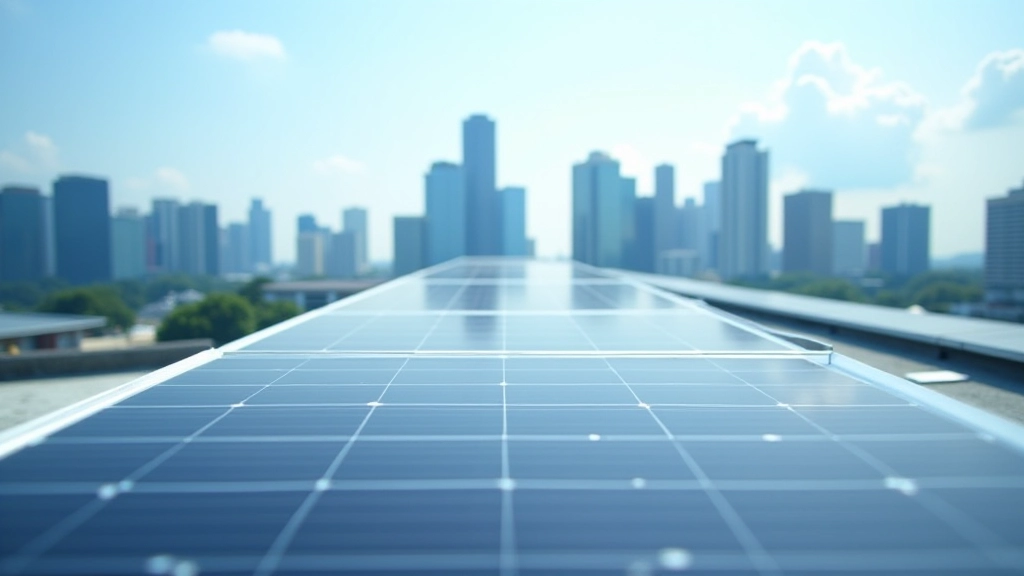
Solar and wind power companies dominate funding conversations. Thailand's Gunkul Engineering and Vietnam's Trungnam Group are attracting significant capital. The sector's appeal is straightforward: long-term contracts, predictable revenue streams, and clear government incentives make these investments less risky than pure tech plays.
Sustainable Agriculture
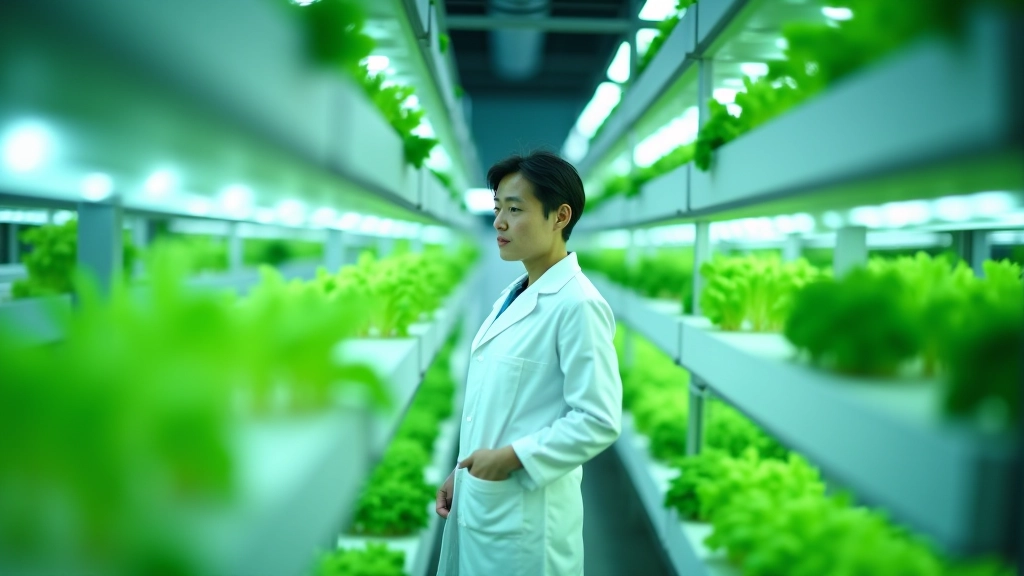
AgriTech with a sustainability focus is booming. Companies developing vertical farming systems, precision agriculture tools, and sustainable supply chain tracking are raising rounds at impressive valuations. Investors see both impact and scalability here.
Circular Economy & Waste
Recycling technology, plastic alternatives, and waste management solutions are getting serious funding attention. Singapore's startup Footprint (packaging solutions) and similar companies are proving the business case for circular economy models.
Climate Tech & Carbon Management
Carbon accounting platforms and climate risk assessment tools are emerging as a new category. As regulations tighten, enterprises need better tools to measure and report emissions. This creates a B2B SaaS opportunity that investors are just beginning to fund.

How ESG Shapes Venture Decisions
Environmental, Social, and Governance criteria used to be a nice-to-have for investors. Now? They're non-negotiable. Major Southeast Asian VCs have committed billions to ESG-aligned investments. Temasek (Singapore's sovereign wealth fund) announced $5 billion dedicated to climate and nature solutions. That signals how serious the region is.
What does this mean for founders? Your ESG metrics matter. Investors want to see clear environmental impact (carbon reduction, waste diversion, energy efficiency), social impact (job creation, community benefit, health improvements), and governance quality (transparent reporting, board diversity, ethical practices).
The practical reality: If your greentech startup can demonstrate 10+ tons of CO2 equivalent reduction per year and you've got a governance structure that passes investor scrutiny, you're in a strong position. Investors are hungry for quantifiable impact.
Stage matters too. Early-stage greentech startups (Seed to Series A) are finding support through specialized programs like SGInnovate's sustainability focus and the Asian Development Bank's venture programs. Later stages attract more traditional VCs who now have dedicated sustainability portfolios.
Real Challenges Greentech Founders Face
It's not all optimistic. Greentech startups navigate unique challenges that pure software companies don't face.
Capital Intensity
Hardware-heavy solutions require significant upfront capital. A renewable energy startup building solar installations needs manufacturing infrastructure. That's expensive. Unlike SaaS with high margins, greentech often requires substantial deployment capital. Founders need patient money, not just venture capital.
Regulatory Complexity
Environmental regulations vary dramatically across Southeast Asia. What works in Singapore's regulated market might not work in Indonesia or Vietnam. Startups need to navigate different compliance frameworks, permits, and government relationships. This slows growth but also creates barriers that protect successful players from competition.
Impact Measurement
Proving environmental impact is harder than it sounds. Investors want rigorous measurement. You'll need proper methodology — often third-party verified. Don't underestimate the cost and complexity of legitimate impact reporting.

Where the Real Opportunities Are
B2B Solutions
Enterprise customers need sustainability reporting tools, carbon accounting platforms, and supply chain transparency solutions. This is less capital-intensive than hardware and has strong unit economics.
Climate Finance Infrastructure
Platforms connecting greentech projects to climate finance, carbon credits, and sustainability-focused investors are emerging. The infrastructure layer is less crowded than end-user solutions.
Regional Consolidation
We're seeing successful models in one country get adapted across Southeast Asia. A waste management solution that works in Thailand can scale to Vietnam and Indonesia. That's not innovation — it's execution, and investors fund it.
Last-Mile Solutions
Consumer-facing apps and services that make sustainability easy are underfunded relative to their potential. Carbon footprint trackers, sustainable product marketplaces, and green financing platforms are gaining traction.
The Momentum Is Real
Greentech startups in Southeast Asia aren't riding a trend — they're building an industry. The combination of regulatory pressure, investor demand, and genuine market need creates a rare alignment. Funding isn't infinite, but it's flowing to serious founders with real solutions.
If you're thinking about launching a greentech startup or investing in one, understand the fundamentals: ESG metrics matter, capital requirements are higher than software, and regulatory relationships are crucial. But the upside is significant. Successful greentech companies don't just generate returns — they reshape how entire sectors operate.
The window of opportunity won't stay open forever. First-mover advantages in sustainability sectors can be substantial. Whether you're a founder or investor, the time to engage with Southeast Asian greentech is now.
Educational Disclaimer
This article is for educational purposes only and provides general information about greentech startups and venture funding in Southeast Asia. It's not investment advice, financial advice, or a recommendation to invest in any specific company or sector. Investment decisions involve significant risk, including potential loss of principal. Past performance doesn't guarantee future results. Market conditions, regulatory environments, and individual circumstances vary. Before making any investment decisions, consult with qualified financial advisors, conduct your own due diligence, and understand the specific risks of any investment opportunity.
Explore Related Topics